Where to Shop for Designer Fabric Online

Some of the best bargains on unique, beautiful fabrics can be found online. Here are just three of the best online resources for designer fabrics for all of your craft projects.

Spoonflower
With an easy-to-navigate website that’s almost as beautiful as its large inventory of designer fabrics, it’s easy to see why Spoonflower is one of the most popular online fabric retailers. Designed by indie artists, fabrics are available in designs like tribal prints, geometric patterns, and minimalist flowers, as well as children’s prints perfect for the little ones.

Etsy
The go-to online hub of anything crafty and handmade, Etsy is also a great resource for designer fabrics. Because the site contains so many individual sellers, you’ll find something for just about any style or project.

Fabric.com
Fabric.com sells a wide selection of name brand designers like Liberty of London, Kaufman, and Minky, as well as quilting fabrics and unique textures that may be difficult to find anywhere else. Browse the site by brand name, type of fabric, or even pattern and color, and be sure to check out the impressive clearance section if you’re on a budget.

8 Tips to Keep You and Your Children Safe in the Kitchen

Though it seems like fun to let your children help cook dinner, kitchen injuries are more common than you may think. These thought-provoking tips will show you how to keep yourself and your children safe while cooking.

1. Roll up your sleeves before using the stove. Long or draping shirt sleeves can catch fire if they come into contact with a hot stove, so make sure to dress appropriately when cooking.

2. Turn pots and pans inward. If the handles of your pots and pans hang off the edge of the stove, children can bump them and sustain dangerous burns.

3. Practice frequent hand washing. Encourage children to wash their hands before and after cooking to avoid spreading germs.

4. Take precautions with raw meat or eggs. Clean countertops, utensils, and containers carefully to prevent foodborne illnesses from meat and eggs.

5. Don’t let your children lick the spoon. While kids love to eat batter from cake or cookies, raw egg can make them sick. Tell them they can have the first taste after baking is complete.

6. Check food temperature. Using a food thermometer to check internal temperatures after cooking or baking will help ensure that food is safe to consume.

7. Sharpen knives. It may seem counterintuitive, but dull knives require much more force than sharp knives and can result in more injuries.

8. Always supervise your children. The most fun part about teaching children to cook is spending time together, so don’t forget this important tip!

Keeping Your Kitchen Safe [National Heart, Lung, and Blood Institute]

High Fructose Corn Syrup Hides in These Common Foods

While you might suspect that packaged foods like sodas and candies contain high fructose corn syrup, this processed ingredient actually lurks in many places that you wouldn’t expect. Here are a few surprising sources of high fructose corn syrup that you should avoid if you’re trying to eat healthfully.

  1. Yogurt. While most people consider yogurt a healthy food, when it’s packed with sticky sweet high fructose corn syrup, it’s a whole different story. Many flavored yogurts in the grocery store contain the sweetener to give them their fruity flavors, and even a large number of low-fat and fat-free yogurts are filled with it.
  2. Salad dressings. No matter how healthy you think your salad dressing may be, its positive traits don’t matter if it’s filled with high fructose corn syrup. If possible, making your own salad dressing is a surefire way to know exactly which ingredients are used.
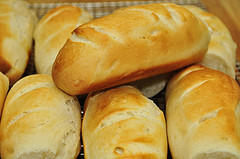
  3. Breads. Even if you avoid all of the sweet, dessert-style baked goods at the grocery store, high fructose corn syrup may be sneaking into your diet through your plain old bread. Even breads made with wheat and whole grain often contain the syrup, so be sure to check the ingredient list before you make your purchase.

Corn Syrup in Unexpected Foods [HuffPost Healthy Living]
Surprising Products that Contain High Fructose Corn Syrup [Divine Caroline]
(Not So) Sweet: Surprising Foods Containing High Fructose Corn Syrup [Babble]
6 Popular Foods with High Fructose Corn Syrup [FitDay]

Oil Pulling 101: What You Need to Know About Oil Pulling

Have you heard of oil pulling? This new holistic health trend, which is actually an ancient detoxification remedy, is said to boost overall health simply by swishing oil around the mouth once daily. The oil emulsifies with saliva in the mouth, becoming a cleansing agent that removes harmful bacteria, toxins, and plaque from the teeth and gums. The practice is also said to ease sinus congestion. But does oil pulling actually work? That's for you to decide—after checking in with your doctor or dentist first, of course.

If you'd like to give oil pulling a test spin, here's a handy guide to get you started.

1. Choose your oil.
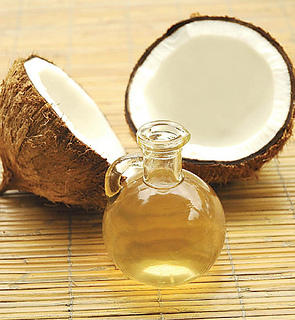
The oils recommended for oil pulling are coconut, sesame, olive, and sunflower. You'll only need one tablespoon per pulling. If you choose coconut oil, let it liquefy before beginning your session.

2. Swish—and then swish some more.
Swish the oil around your mouth, just as you would with mouthwash. "Pull" the oil through your teeth. Your goal is to swish the oil until it becomes viscous and white. It usually takes 10 to 20 minutes to achieve this consistency, although beginner pullers can work their way up to that time.

3. Spit and rinse.
Once you've reached your allotted time, spit the oil into a trash can—not the toilet or sink, as the oil can clog pipes. (Don't swallow the oil!) Rinse your mouth with warm water, then brush your teeth. How often you practice oil pulling is up to you, although optimal benefits are said to achieved when oil pulling is performed several times per week.

Oil Pulling With Coconut Oil to Transform Your Dental Health [Authority Nutrition]
Oil Pulling: The Habit That Can Transform Your Health [Food Matters]
Oil Pulling for Oral Health [Wellness Mama]
What is Oil Pulling? [Coconut Oil Pulling]

How to Get the Most Out of Your Work Breaks

How do you spend your breaks during your workday? Playing games on your computer? Checking social media on your phone while still at your desk? If so, take note: There are better ways to spend your precious breaks! Check out these handy tips:

1) Get moving.
For optimum productivity, long stretches of concentration need to be followed by short spurts of rest and relaxation. Take at least five minutes to get up from your desk, walk around, and stretch. Looking to get in a quick bout of cardio? Consider walking (or running!) up and down the stairs at work. Any form of exercise, even short walks, will boost your blood flow and thusly, your energy level.

2) Disconnect.
Consider screens of all kinds off-limits during your breaks. If possible, spend your break outdoors, and use the time for quiet reflection.

3) Have a snack.
No, not chips and a soda. Instead, reach for brain-boosting foods such as blueberries or a handful of nuts. A mug of black or green tea can reinvigorate the body with a tiny dose of caffeine.

4) Take a nap.
Catch up on some much-needed shut-eye with a short nap. Limit your snooze to 30 minutes, and don't forget to set an alarm!

You've Been Taking Breaks All Wrong. Here's How To Do It Right [HuffPost]
Take Five: 51 Things to Do When You Need a Break at Work [The Muse]
Five Minutes or Less for Health Weekly Tip: Take a Break [CDC]

How to Care for Fresh-Cut Flowers

You just received a colorful bouquet from a sweet admirer, and you want to make the beautiful flowers last for as long as you can. There are a few tips for caring for fresh-cut flowers that will help you to keep that bouquet looking fresh for as long as possible, and they’re actually surprisingly simple.

  1. Place them in water quickly. This one may seem like a no brainer, but every second counts when it comes to preserving the life of your fresh-cut flowers. Be sure to place the flowers in a vase as soon as possible.
  2. Cut flowers under water. It is fairly common knowledge that cutting the lower portion of the flower’s stem will help it to absorb water, but many experts agree that cutting the stem while it is submerged will help it even more by ensuring that no air enters.
  3. Always use a preservative. If your fresh flowers come with a small sachet of powder preservatives, be sure to add the powder to the water before placing the flowers in the vase. Alkaline-heavy water can reduce the lifespan of flowers, but preservatives help neutralize the water.
  4. Store flowers in a cool spot. Although you likely want to keep your flowers on display when you are at home, place them in the refrigerator when you leave the house in order to lengthen their lifespan.

Cut-Flower Care—How to Make Your Fresh-Cut Flowers Last [Brooklyn Botanic Garden]
Keeping cut flowers and flowering plants [University of Minnesota]

Three Cooking Substitutes for When You’re in a Pinch

Any seasoned cook knows that sometimes you have to get creative when sticking to a recipe, especially if you're short on some of the ingredients. The good news is that with a few easy swaps, you can make any recipe, even if you don't have the traditional ingredients on-hand. Here are three cooking substitutes for when you’re in a pinch:

  1. If you're missing brown sugar: Your craving for homemade cookies won't wait until you can get to the store for all the ingredients. If you’re short on one cup of brown sugar, you can substitute it one cup of white sugar combined with 1/4 cup of molasses.
  2. If you're missing butter: While no kitchen should ever be without this important ingredient, it tends to happen if you cook a lot. You can replace one cup of butter with one cup of margarine or vegetable shortening. If the recipe calls for melted butter, you can use the same amount of oil.
  3. If you're missing half and half: If your carton is empty, you can easily recreate this essential ingredient with 1/2 a cup of partly skimmed milk and 1/2 a cup of heavy whipping cream.

Top 3 Ingredient Substitutions [All Recipes]
Ingredient Substitutions [University of Nebraska]
Baking Ingredient Substitution Table [Joys of Baking]

Check Out These Spooky-Fun Facts About Halloween

Although many people think that Halloween is simply a children’s holiday filled with spooky fun, others believe that October 31 stems from something more sinister. So what is the real truth about Halloween? Here are a few facts that you may not know about the year’s scariest (and sweetest!) holiday.

  1. Halloween’s origins can be traced back as far as 2,000 years. The holiday stems from a Gaelic festival called Samhain, which translates into “summer’s end,” an apt name for this favorite fall celebration. Samhain was a time for the community to gather resources for the coming winter months.
  2. Halloween was far from sinister. Although Halloween and its predecessor Samhain held a few supernatural and pagan aspects, it was overall a very peaceful and community-oriented holiday.
  3. Halloween costumes derived from All Saint’s Day. While we wear costumes for Halloween these days, the costume aspect actually derived from All Saint’s Day, not Samhain. Druid leaders wore traditional costumes made of animal skins to celebrate All Saint’s Day, and because the two holidays fall so close together, they merged with one another over the years.
  4. The tricks led to the treats. In the 1920s and 1930s, American youth turned Halloween into rowdy block parties filled with acts of vandalism. In an effort to make the holiday more wholesome, community leaders attempted to ply children with sweets given out by neighbors, which eventually led to what we know as trick-or-treating.

Twenty Interesting Things About… Halloween [The Pioneer Woman]
13 Facts You Never Knew About Halloween [Business Insider]
History of Halloween [Live Science]

Technology Trivia: Three Important Chess Computers

Playing chess against a computer opponent is fairly commonplace stuff today. But the development of computers able to play chess competitively led to many important milestones in artificial intelligence, culminating (at least for now) with Watson, the famous Jeopardy!-playing computer, and Siri, the iPhone virtual assistant.

If you're interested in learning more about the history of artificial intelligence, here are three important chess computers:

Kotok-McCarthy
The Kotok-McCarthy computer was was developed between the years of 1959 and 1962 by a group of students at MIT. Advanced for the time, it was very slow by today's standards: it took anywhere from five to twenty minutes to calculate a single move! This computer also participated in the very first chess match between two machines, losing to a slightly more advanced computer from the Institute of Theoretical and Experimental Physics.

Deep Thought
Deep Thought was developed in a partnership between Carnegie Mellon University and IBM; it was named after a fictional computer in the book series The Hitchhiker’s Guide to the Galaxy. The computer won the North American Computer Chess Championship in 1988 and the World Computer Chess Championship in 1989. Deep Thought is perhaps most well known for losing two widely-publicized games to chess champion Gerry Kasparov.

Deep Blue
Deep Blue was developed as a successor to Deep Thought. In 1997, it beat Gerry Kasparov twice yet losing the match 4-2. The match was controversial, as Kasparov later accused technicians of making moves on Deep Blue's behalf. The match — and the controversy — later became the subject for a documentary called Game Over: Kasparov and the Machine.

CC-BY-SA-2.0/Flickr/soupboy

Planning a Wedding? Check Out These Apps for Apple Devices!

Planning a wedding is very stressful for most soon-to-be brides and grooms, but it doesn’t have to be. With a lot of organization, some great time management skills, and help from these impressive digital magazine apps, you can plan your wedding right from the convenience of your iPhone or iPad.

BRIDES Magazine
Conde Nast’s premier bridal magazine goes digital in this all-inclusive wedding planning app. By paying a small subscription fee you’ll have access to the digital versions of every issue of BRIDES magazine, or you can purchase a one-month subscription for a low rate. Swipe across your phone or tablet’s screen to browse the magazine’s wedding dress ideas, celebrity wedding coverage, planning tips, and much more. The magazine is ideal for the modern bride with an affinity for all things chic and glamorous.

Martha Stewart Weddings Magazine
If your dream wedding is more rustic than couture, you’ll love the content in Martha Stewart Weddings. The app version of the popular magazine includes all of the best features from each issue, from creative ideas for the wedding cake to the best ways to incorporate vintage elements into a modern ceremony. Martha Stewart Weddings even offers great ideas for a honeymoon on a budget.

Pin It on Pinterest