Are You Brushing Your Teeth Correctly? Find Out Here!

You’ve brushed your teeth for as long as you can remember, but how can you be sure that you’re doing it correctly? Check out these simple steps for proper tooth brushing to find out.

  1. Twice a day is only the beginning. Although many people are taught to brush their teeth in the morning and the evening, that’s actually only the minimum amount. Brushing your teeth after a large meal or any time you drink a potentially staining beverage is always a good idea.
  2. Brush in a circular motion. Dentists recommend brushing in a circular motion up toward the gums rather than the usual back and forth motion across the teeth. This technique removes bacteria without causing gum pain.
  3. Stop the final rinse. While many people rinse their mouths out with a bit of water after brushing, this is harmful because it removes the beneficial film delivered from the toothpaste. If you feel the need to rinse, only put a small amount of water in your mouth and swish it across your tongue rather than around your teeth and gums.
  4. Don’t skimp on flossing. Flossing is just as important as brushing, and it should be done almost as often. Bonus points if you floss before brushing, as that enables the toothpaste to coat those hard-to-reach places between the teeth.

How to Brush [Colgate]
Proper Brushing [ADHA]
Am I Brushing My Teeth Correctly? [Lifehacker]
How to Brush Your Teeth [Crest]

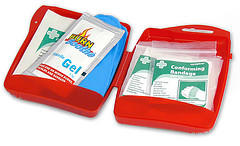
Stock Your First Aid Kit With These 17 Personal Care Essentials

You never know when you’ll have a mishap in the kitchen or take a spill, and the best way to prepare for these types of at-home injuries is by preparing a well-stocked first aid kit. To be truly prepared, you should store one of these personal injury kits in your car, as well. Here are a few essentials that every good first aid kit should contain:

  1. A first aid instruction booklet in case of complex injury or illness
  2. Adhesive bandages in a variety of different sizes
  3. Adhesive cloth tape
  4. Sterile gauze pads for administering medications or creams
  5. Antiseptic wipe packets for treating small cuts or burns
  6. Roller bandages in a few different sizes for wrapping sprains or pulled muscles
  7. Sharp scissors
  8. Tweezers for removing splinters or other shrapnel
  9. An oral thermometer (non-mercury, non-glass)
  10. Non-latex gloves
  11. Acetaminophen and ibuprofen, for headache or other muscle aches
  12. Instant cold packs
  13. Safety pins
  14. Hydrocortisone cream (1%)
  15. Calamine lotion for poison ivy, sunburn, and insect bites
  16. A flashlight (plus extra batteries)
  17. A list of emergency phone numbers (include your physician, children’s physician, emergency contacts, etc.)

Anatomy of a First Aid Kit [Red Cross]
First Aid Kit [Kids Health]
First-Aid Kits: Stock supplies that can save lives [Mayo Clinic]

Find Out How Many Calories Your Favorite Activities Burn With This Chart

Counting calories is important when you’re trying to lose weight, but the most rewarding part is subtracting the calories you’ve burned off through exercise. This helpful chart from the Centers for Disease Control and Prevention tells you how many calories common physical activities burn, from hiking to swimming to chopping wood in the yard.

This chart is divided into either vigorous-intensity physical activity or moderate-intensity physical activity. The most common physical activities for losing weight are traditional exercise activities, whether they’re performed in a gym or outdoors. Vigorous exercises like running, bicycling, and swimming burn the most calories, and the longer you do them, the more calories you’ll burn. However, on the days you’re feeling tired or worn down, even simple walking, stretching, or easy bike riding is better than sitting at home.

Many everyday tasks that you would never consider calorie-burning activities do, in fact, help you to lose weight as well. Gardening or pulling weeds in your own backyard burns approximately 330 calories in an hour for the average person, much more than most people expect. Even an enjoyable afternoon of golfing or hiking will help you drop calories and, in turn, shed pounds.

For people who want to lose weight, it’s helpful to know that people who weigh more than 154 pounds burn more calories per hour than those who weigh less. You’ll see results quickly as soon as you start doing a few physical activities per week, and then it’s just a matter of sticking with it!

How many calories are used in physical activities? [Centers for Disease Control and Prevention]

Public Domain/Public Domain

Pin It on Pinterest