Are You Brushing Your Teeth Correctly? Find Out Here!

You’ve brushed your teeth for as long as you can remember, but how can you be sure that you’re doing it correctly? Check out these simple steps for proper tooth brushing to find out.

  1. Twice a day is only the beginning. Although many people are taught to brush their teeth in the morning and the evening, that’s actually only the minimum amount. Brushing your teeth after a large meal or any time you drink a potentially staining beverage is always a good idea.
  2. Brush in a circular motion. Dentists recommend brushing in a circular motion up toward the gums rather than the usual back and forth motion across the teeth. This technique removes bacteria without causing gum pain.
  3. Stop the final rinse. While many people rinse their mouths out with a bit of water after brushing, this is harmful because it removes the beneficial film delivered from the toothpaste. If you feel the need to rinse, only put a small amount of water in your mouth and swish it across your tongue rather than around your teeth and gums.
  4. Don’t skimp on flossing. Flossing is just as important as brushing, and it should be done almost as often. Bonus points if you floss before brushing, as that enables the toothpaste to coat those hard-to-reach places between the teeth.

How to Brush [Colgate]
Proper Brushing [ADHA]
Am I Brushing My Teeth Correctly? [Lifehacker]
How to Brush Your Teeth [Crest]

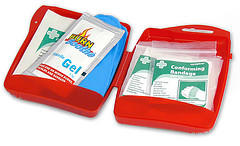
Stock Your First Aid Kit With These 17 Personal Care Essentials

You never know when you’ll have a mishap in the kitchen or take a spill, and the best way to prepare for these types of at-home injuries is by preparing a well-stocked first aid kit. To be truly prepared, you should store one of these personal injury kits in your car, as well. Here are a few essentials that every good first aid kit should contain:

  1. A first aid instruction booklet in case of complex injury or illness
  2. Adhesive bandages in a variety of different sizes
  3. Adhesive cloth tape
  4. Sterile gauze pads for administering medications or creams
  5. Antiseptic wipe packets for treating small cuts or burns
  6. Roller bandages in a few different sizes for wrapping sprains or pulled muscles
  7. Sharp scissors
  8. Tweezers for removing splinters or other shrapnel
  9. An oral thermometer (non-mercury, non-glass)
  10. Non-latex gloves
  11. Acetaminophen and ibuprofen, for headache or other muscle aches
  12. Instant cold packs
  13. Safety pins
  14. Hydrocortisone cream (1%)
  15. Calamine lotion for poison ivy, sunburn, and insect bites
  16. A flashlight (plus extra batteries)
  17. A list of emergency phone numbers (include your physician, children’s physician, emergency contacts, etc.)

Anatomy of a First Aid Kit [Red Cross]
First Aid Kit [Kids Health]
First-Aid Kits: Stock supplies that can save lives [Mayo Clinic]

Pin It on Pinterest