4 Tips for the Perfect Pour of Wine

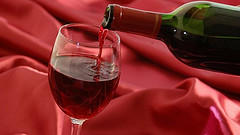
Pouring wine is more than just tipping a bottle over a glass. Certain wines need to breathe before drinking, and pouring the right amount is essential. Check out these four great tips for pouring the perfect glass of wine.

  • Not all wines are served cold, so be sure to keep bottles at the correct temperature before pouring. White and sparkling wines are best served between 40—50 degrees Fahrenheit; full-bodied whites and light, fruity reds, 50—60 degrees Fahrenheit; full-bodied reds and Ports, 60—65 degrees Fahrenheit. Invest in a thermometer to be sure you have the right temperature.
  • Give the bottle a quick taste test before serving. This will give you an idea of its temperature and familiarize yourself with what you're pouring.
  • The right glass gives the wine room to open up its flavors. Tulip-shaped glasses are ideal and be sure they are clean, as musty or grimy glasses can ruin a wine flavor.
  • If serving a red wine, pour it into a decanter first to let it sit for an hour before serving. The full flavor of the wine will be evident on the first sip.

How to Serve Wine 101 [Wine Inspector]
Organic Wine Serving Tips [Frey Wine]
25 Tips on How to Serve Wine [Bauduc Blog]
Oak, Nose, And Throat: Learning How To Talk Wine

Getting into wine appreciation can be a terrifying task. There's a lot of specialized knowledge and a complex vocabulary that goes along with enjoying a glass of wine. If you want to look sharp at your next tasting, here’s a quick guide to some of the most commonly used wine terms.

Nose: A wine’s nose is the first thing that you will evaluate after picking up your glass. The sense of smell is far more sensitive and complex than the sense of taste, so much of your enjoyment will come from the smell of the wine. Common adjectives used to describe a wine’s nose are fruity, nutty, and flowery, but you can use pretty much anything here.

Body: The biggest component of a wine’s taste is going to be from the body. Body's a general descriptive term that lets you go into detail about how the wine tastes as a whole. Body can go from light and refreshing for sparkling wines to full and weighty for heavier reds.

Intensity: High-quality wines are characterized by their intensity of flavor. In the best wines, flavors hold toegether in perfect balance. Wine lovers respect strong, assertive flavors that mesh well together.

Finish: The finish is the final phase of tasting a wine. Finish refers to how the flavors of the wine stay, reacting with your mouth after you’ve swallowed the drink. A good, long finish is one of the major hallmarks of a high-quality wine.

Pin It on Pinterest