Where to Shop Handmade Jewelry from Indie Artists Online

Whether you’re shopping for an engagement ring or simply looking for something sparkly to add to your own jewelry collection, pieces from indie designers exude a unique quality that sets them apart from the rest. These handcrafted jewelry items are often made in more environmentally friendly ways, and they usually cost much less than name-brand jewelry. Here are three great online sources for indie bling.

Catbird
Since it first opened the doors of its Brooklyn brick and mortar store almost 10 years ago, Catbird has been one of New York City’s most popular destinations for unique, affordable jewelry from independent designers. Now the shop also offers an expansive online store that allows web surfers to shop its signature dainty gold necklaces, stackable rings, and engagement rings at all price points.

Etsy
Etsy is democratizing the way that jewelry is sold by enabling independent designers to set up their own shops through the site’s online marketplace. Whether you’re searching for woven friendship bracelets or hammered gold rings, you’ll find it all via the simple search tools.

Bario Neal
Although many jewelry companies obtain their diamonds through the diamond trade, Bario Neal uses only ethically sourced stones and reclaimed precious metals that are cruelty-free and eco-friendly. This Philadelphia-based jewelry boutique and studio sells engagement rings, pendant necklaces, enamel bracelets, and much more.

Taste of Ethiopia: Enjoy Ethiopian Cuisine

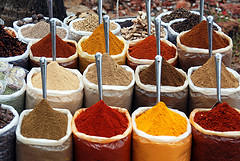
From the spongy injera bread to the flavorful doro wot, every Ethiopian dish is a uniquely delicious culinary experience. Taste of Ethiopia is a wonderful way to experience Ethiopian fare in Austin, though it takes a bit of exploring to uncover this hidden gem tucked away in the Pflugerville area. The restaurant itself is modern and stylish, with tasteful Ethiopian baskets and other knick-knacks scattered about.

Taste of Ethiopia's owners are dedicated to providing authentic, healthy foods to each of their customers, so all of the dishes here are made with fresh, high quality ingredients and without harmful preservatives. Dishes like lentil stew, beef and lamb with flavorful sauce, and vegetarian sampler platters are served in the traditional Ethiopian way, which involves using injera bread to eat with instead of utensils. Taste of Ethiopia also offers a vegetarian lunch buffet on weekdays, which many regulars say gives you the most bang for your buck.

Taste of Ethiopia is open 11 a.m. to 10 p.m. daily.

Taste of Ethiopia
1100 Grand Ave. Parkway
Pflugerville, TX 78613
(512) 251-4053
www.tasteofethiopiaaustin.com
www.yelp.com/biz/taste-of-ethiopia-pflugerville

How and What to Pack for a Sightseeing Trip

After months of saving, you finally booked that sightseeing trip that you’ve always dreamed of. Whether you’re backpacking across Europe or taking a car trip through South America, you’ll need to know what to pack before you go. Packing these four items will help you be prepared for your sightseeing adventure.

  1. A sturdy backpack. This is an essential for long days of sightseeing as it enables you to tote your belongings around without straining your arms. Choose one with a large main pocket for clothing and supplies and smaller inner pockets to stow away money, your passport, and other essential items.
  2. Maps and guides. Maps are important in areas where you don’t have reliable cell phone service, and they cut down on the time you spend asking for directions. If you’re traveling to an area where you don’t speak the language, it’s also smart to bring along a foreign language dictionary.
  3. Proper clothes. Bring a rain jacket if you’re traveling to rainy London, and wear layers that you can easily remove if you’re in steamy Vietnam. Be sure to look up the climate beforehand to avoid clothing discomfort.
  4. A camera. Although a camera isn’t exactly an essential item, you’ll surely want to remember your trip for years to come!

Travel Tips and Packing Lists [Eagle Creek]
15 Things to Pack for Sightseeing [Sue’s Travel Tips]
How to Pack for a Sightseeing Vacation [Independent Traveler]

Shark Week

Tonight from 5pm to 7pm we will be hosting Shark Night in our Clubhouse. We will have snacks and drinks along with Shark Week on in our theatre room.

We will also have a meet and greet with our new Courteous Officer, Officer Williams!

April with Shape Up Fitness will also be here! Come down and meet the crew that offers the FREE fitness classes.

Join us for Sharks and Meet Chris on Friday!

Don't forget to join us on Friday from 5-7pm for Sharks and meet our new Courtesy Officer. We will have food and snacks and of course SHARK COOKIES!!!!

We hope to see everyone on Friday!

Enjoy Yoga Classes at Austin’s Yoga Yoga

Yoga has evolved into an obscure hobby into a full-fledged fitness movement, and for good reason. People are learning that focused, controlled stretching under the supervision of an instructor has incredible health benefits.

Whether you’re a yoga newbie or an experienced practitioner, you’ll find excellent classes at Austin’s Yoga Yoga. The studio here is a marvel of cleanliness and organization. Instead of signing in and worrying about billing, clients are given a magnetic card that they swipe with each class. Cards can be pre-loaded for certain numbers of classes and easily refilled. One thing that draws more serious practitioners is the studio's guest seminars by national teachers and yogis. If you’re looking to push yourself or learn some new tricks, consider attending one.

Prices are reasonable, but some popular classes can feel crowded. If you’re lacking supplies, note that Yoga Yoga sells yoga mats and clothing. Yoga Yoga has several locations around the area, so you’ll have no problem finding a studio near you.

Yoga Yoga
2167 W. Anderson Lane
Austin, TX 78757
(512) 380-9800
www.facebook.com/YogaYogaAustin
www.yelp.com/biz/yoga-yoga-austin-12

Move Over, Dairy! These Foods Are Surprisingly High in Calcium

You learn from an early age that calcium builds strong bones and teeth, but it has a number of other health benefits as well. This beneficial mineral also helps to regulate your blood pressure, maintains healthy blood vessels, and even aids in preventing Type 2 diabetes. Now that you know why you should eat calcium, here are a few lesser-known ways to get it.

  1. White beans. Beans get a good reputation because of their high levels of protein, but white beans are also very high in calcium as well. In fact, just one cup of canned white beans provides 191 milligrams of calcium, which is about 19% of your daily value. These creamy, mild legumes are great in a hearty chili or mashed as a chickpea substitute in homemade hummus.
  2. Sardines. While these tiny fish may have made you squeamish as a child, sardines are actually one of the healthiest fish that you can eat. Like a lot of seafood, they’re rich in omega 3s, but they also provide 321 milligrams of calcium in just seven sardine filets. Many people choose to eat them plain, but if you prefer to cut down on the fishy flavor, you can also add sardines to a salad.

18 Surprising Dairy-Free Sources of Calcium [Greatist]
18 Surprising Dairy-Free Sources of Calcium [HuffPost Healthy Living]

Public Domain/Public Domain

Resident Referral

Hey All,

Want $500 off your rent?

Refer a new resident to come live at our amazing community and this is exactly what you will get. Spread the word about The Marquis at Canyon Ridge and add some new faces to our family and you will be rewarded.
Have a new resident say you referred them to the property, and once they are all settled in, you will receive $500 off your following month’s rent.

Please contact the office for more information about the resident referral process. 512-837-3333.

How to Care for Succulents and Cacti

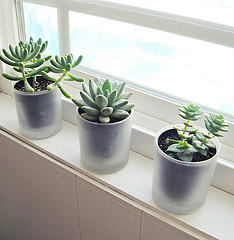
Scroll through any design blog or flip through the pages of any magazine, and you're likely to come across images of succulents and cacti. These trendy, easy-to-care-for plants require minimal attention, but still deliver maximum impact when it comes to perking up a windowsill or shelf. Bonus: They're easily found at any home and garden store. Before you clear a spot in your apartment, here are two growing tips to consider.

· Water sparingly.
To check if your plant could use a drink, stick your finger into the soil. If it feels cold or damp, your plant doesn't need water yet. If the soil feels dry, soak the soil thoroughly, ensuring that excess water has a place in the pot through which to drain. Note that cacti and succulents prefer to dry out between waterings, and they won't tolerate wet feet. In general, these plants require more water during the spring and summer and less water in the fall and winter, when the plant goes dormant.

· Let the sunshine in.
Keep your plant in a spot that receives four to six hours of sunlight a day. However, be advised that most succulents and cacti prefer indirect light to direct light, as exposure to direct sun can cause scorch marks. Another sign that your plant is receiving too much sun is a yellowed, bleached appearance. Also note that your succulents and cacti will most likely need more water if they're placed in a very sunny spot.

Do you keep cacti and succulents in your apartment home? Share your growing tips below!

How To Care For Your Cacti & Succulents [California Cactus Center]
Care for Succulents and Cactus [Southeast Succulents]
Cactus and Succulent Care for Beginners [Southeast Succulents]

How to Plant Your Own Terrarium

If you pay attention to interior design blogs, you’ve likely seen colorful terrariums popping up all over the place. These intricate indoor gardens may seem difficult to make, but with the right supplies and a few slow-growing plants, you can create your own terrarium to make your home look just like the pros’.

  1. Find the right structure. Terrariums should be built inside of a clear glass or plastic container so that you can see what’s going on inside. Something like a fish bowl, mason jar, or even a store-bought terrarium will work best. Do your best to choose the size based on how large you plants are.
  2. Form the garden bed. The success of your terrarium depends on the base. Start by lining the container with a one-inch layer of pebbles for drainage, and then add a ½-inch layer of activated charcoal. A 1 ½-inch layer of pre-moistened sphagnum moss goes over that to prevent the soil from slipping in between the pebbles.
  3. Plant your plants. Whether you choose succulents or herbs, they need to go on top of this well-draining garden bed. Remove your plants from their pots and cut away pot-bound roots. Place a layer of soil in your terrarium that’s just taller than your plants' roots, and plant the plants inside where the leaves won’t touch the glass.
  4. Decorate. Now that your terrarium is complete, it’s time to make it look pretty. Add some decorative rocks inside, and then place it in front of a well-lit window where your guests can easily see it.

How to Make Your Own Terrarium [HGTV]
How to Make Terrariums [About Home]
Terrariums: A Guide to Plants and Care [BHG]

Pin It on Pinterest